Cybersecurity Challenges In Oil And Gas Operations
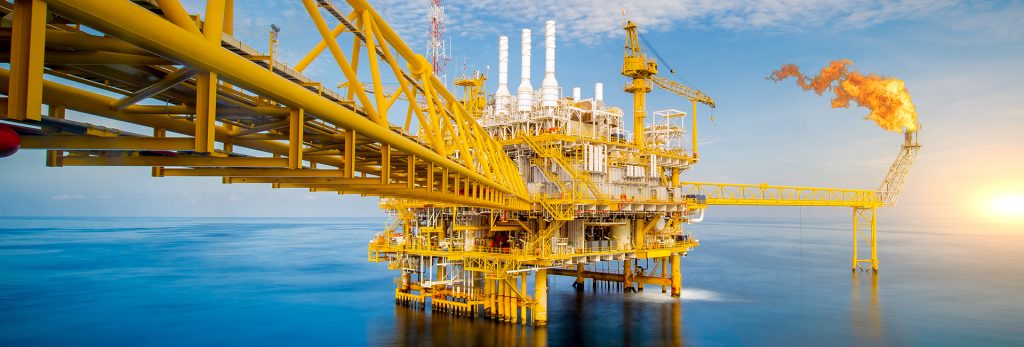
Our modern world hums on the energy provided by the oil and gas industry. From the fuel in our cars to the plastics in countless products, this sector is a complex engine of extraction, refinement, and distribution.
This vast network, increasingly driven by digital technology, faces a persistent threat. Cyber attacks now target the very heart of these operations, risking not only data loss but physical disruption and environmental harm. Protecting these key industrial systems is the new frontier for oil and gas security.
A web of connected vulnerabilities:
Today’s operations are deeply interconnected. Isolated control systems are a thing of the past. This connectivity allows for amazing efficiency, but it also creates many doors for attackers to try. A breach in a corporate IT network can sometimes become a pathway into the operational technology that manages physical equipment.
Outdated systems:
Many facilities run on legacy systems installed decades ago. These systems were built for reliability, not with modern cyber threats in mind. Updating them is often slow and costly, leaving gaps in digital defenses that are hard to patch. This makes them attractive targets for those seeking easy entry.
Phishing and mistakes:
Technology is only one part of the defense. Employees can accidentally become the weak link. A single click on a clever phishing email can give attackers the access they need. Continuous training and a culture of security awareness are essential to turn staff into a strong first line of defense.
Ransomware:
Ransomware is a severe threat. Hackers can lock critical data or control systems, demanding large payments to restore access. For an industry that cannot afford long stoppages, the pressure to pay is high. Such attacks can halt production, cause financial damage, and disrupt supply chains.
Protecting the supply chain:
Companies do not operate alone. They rely on many third-party vendors for software, equipment, and services. Each connection is a potential risk. If a vendor’s security is poor, it can provide a backdoor into the primary operator’s network. Ensuring partners follow strict security standards is vital.
The high stakes of physical safety:
The gravest concern is the risk to people and the environment. Cyber attacks aimed at industrial control systems could manipulate safety valves, pressure levels, or shutdown procedures. This could lead to dangerous incidents, including fires, explosions, or toxic releases, putting lives and ecosystems at risk.