Why Interior Designers Prefer Corian by DuPont
Interior designers select materials that meet specific professional demands. These surfaces must support creative concepts, offer reliable performance, and simplify project management. One material that consistently delivers on these requirements is Corian Dupont.
A Design Tool for Diverse Projects:
Designers require materials that adapt to various styles. This product provides a wide array of colors and patterns, from solid neutrals to designs with subtle movement. This range gives designers the freedom to match different client preferences and project themes.
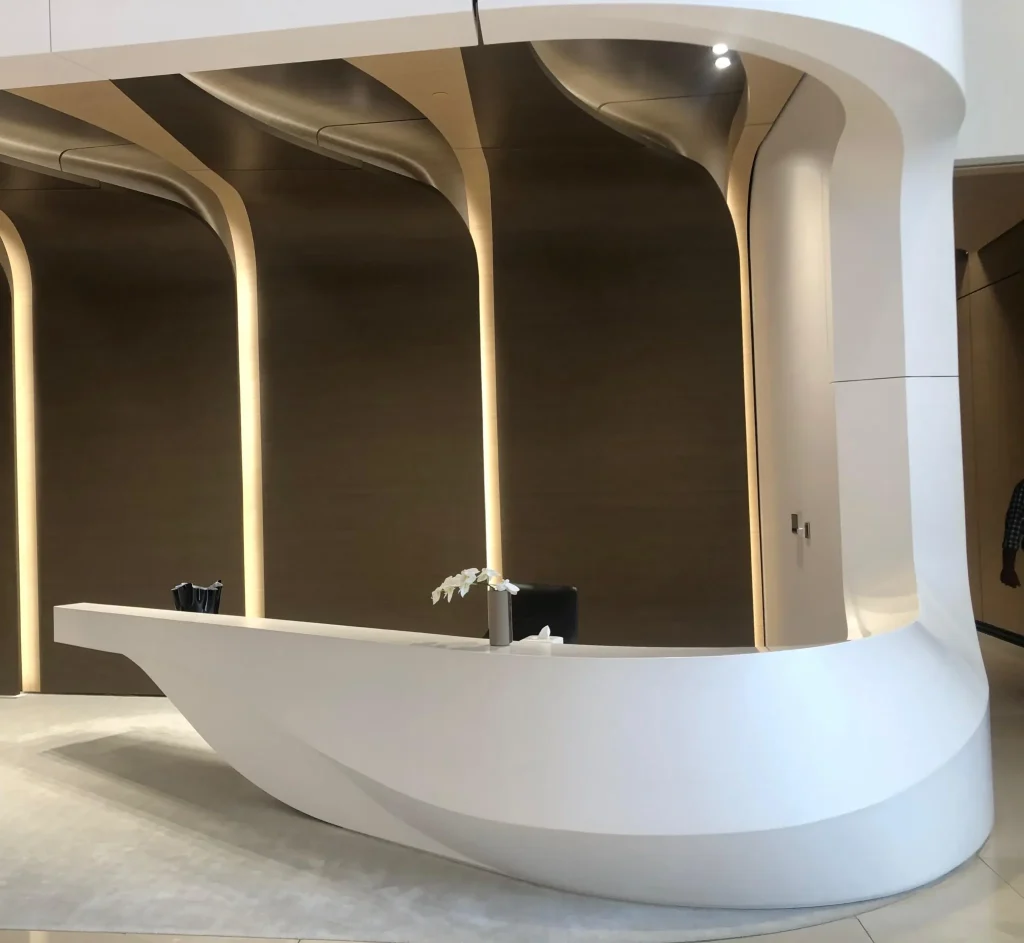
The material also allows for seamless integration. Designers can specify countertops, backsplashes, and sinks as one continuous piece. This creates a clean, monolithic look that defines many modern interiors. The capacity for thermoforming supports custom elements, such as curved reception desks or integrated vanity bowls, expanding design possibilities beyond standard applications.
Functional Durability for Real-World Use:
Designers build trust by specifying surfaces that last. The non-porous nature of this material prevents stains from common substances like ink, coffee, and cosmetics. This performance makes it suitable for high-traffic areas in homes, offices, and healthcare settings.
Maintenance remains simple, requiring only mild soap and water for daily care. This ease of upkeep aligns with the lifestyles of clients, reducing long-term concerns. For designers, recommending a low-maintenance product helps ensure client satisfaction after project completion.
Streamlined Specification and Installation:
The practical aspects of a project influence material choice. Designers value consistency. Samples and showroom displays accurately represent the final installed product, preventing unexpected color variations. Fabricators work with established, reliable methods for seaming and shaping the material, which aids in maintaining project timelines.
The reparability of the surface also matters. Professionals can sand out minor scratches or burns on-site, restoring the installation without full replacement. This protects the designer’s original vision and the client’s investment.
An Established Standard in the Industry:
Designers often prefer materials with a proven history. As a pioneer in solid surfaces, it carries a legacy of trust and extensive technical support. Fabricators typically possess deep experience working with it, and designers can access a large portfolio of completed projects for reference.
Its use in diverse commercial and residential applications demonstrates its adaptability. This record provides designers with confidence in its performance and availability for current and future projects.